Weekly BGM [Dragon Boat Festival Special].
Welcome to the ninth issue of "Weekly Insights." This week's topic is "Technology first or tinkering first?"

International Perspective
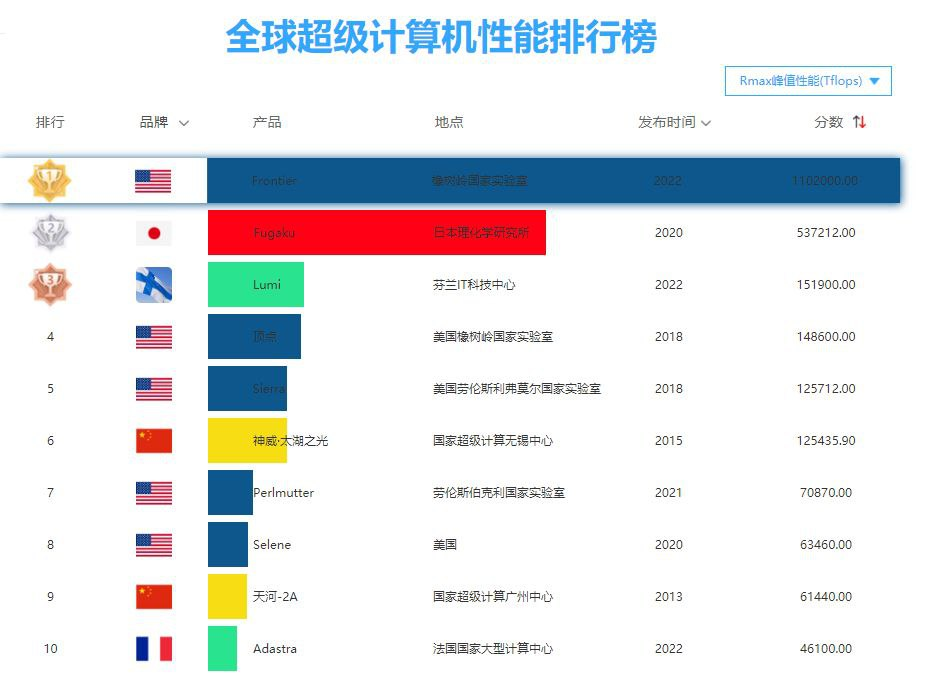
The latest supercomputer rankings are out, with America's new Frontier supercomputer taking the top spot. See details at top500 official website
The following is a quote from Sina. The US uses its advanced technology and long-arm jurisdiction to hinder Chinese enterprises' development – this behavior is infuriating.

We should never have any illusions about the West and must always maintain crisis awareness. At the same time, we should improve our technical skills and strive to contribute to China's rejuvenation. China's rejuvenation still needs a long time, and breaking free from US technological strangleholds will be difficult in the short term. Let's encourage each other.
Topic: Technology First or Tinkering First?
Recently, while chatting with a classmate, I found he had lost his initial passion for tinkering and was instead studying Java technology hard. He said he realized his technical skills were currently insufficient and that tinkering with blogs was a waste of time.
At the beginning of this semester, with my guidance, my classmate's WordPress blog was nearly complete, just waiting for him to fill in the content. But after writing 2 Java study notes, he started backing out. He felt that when tired from studying, he just wanted to relax and didn't want to touch the blog at all.
Facing this situation, I fell into deep thought. Should classmates without technical skills tinker at all? During my contemplation, I realized that technology and tinkering are mutually reinforcing – both are important. If I had to choose, I'd choose to tinker first, then learn technology. On one hand, tinkering helps you discover which technical skills you're lacking, helping you clarify your learning goals. On the other hand, learning technology helps you tinker more enjoyably.
Let me use my personal homepage tinkering as an example. Initially, I always liked to use others' pre-made personal homepage templates – cloning open-source projects from GitHub, modifying them, then deploying. The results were indeed good, but one day I realized that since I'm a computer science major, why not build a personal homepage myself?
So I created a new folder and used traditional HTML, CSS, and JS to build my page. After finishing, it looked good on desktop, but as soon as I switched to mobile view in the browser console, the page immediately became distorted.
This made me think. After searching online, I realized that to have good display across multiple devices, I needed responsive layout. Implementing responsive layout with traditional CSS requires strong CSS skills – beyond my current level.
Later, I discovered that frameworks could implement responsive layouts. So I learned a bit about Tailwind CSS, a popular CSS framework, and finally achieved responsive layout for my personal homepage [Note: The personal homepage has been deleted. -2022.11.12]. The code is very short – the framework solved many problems for me.
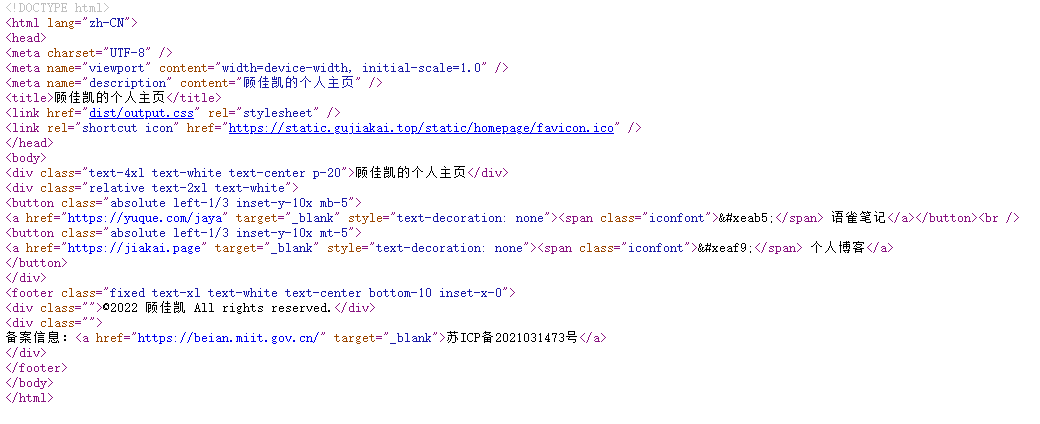
But during implementation, I also realized my front-end skills were insufficient. So I added some content to my programming goals page in Obsidian – namely, learning React and Vue frameworks.
The above is my experience and insights from tinkering. Tinkering is very valuable – it clarifies what technology you should learn next.
Before, if you didn't know HTML, hand-coding a webpage was inconceivable. Now blog frameworks like Hexo solve this pain point – they can convert your Markdown files to HTML. But if you don't know CSS, your blog styles are limited to what the theme provides, because custom styles require CSS fundamentals. Therefore, learning technology helps us tinker more enjoyably.
In summary, learning technologies that solve problems you encounter while tinkering is a cool thing. Don't forget to tinker while learning technology – constantly ask yourself: Did I use what I learned today? This is what programming learning should look like.
Learning technology without tinkering, or learning without practice, is a major taboo in programming. The result of not practicing is quickly forgetting what you've learned.
Quotes
-
Huang Bo said: "Before, in production crews, I always encountered all kinds of people with various schemes. But now (being famous), everyone around me is nice, every face is smiling." People are still the same people; it's just that when you're weak, everyone around is petty – anyone can step on you. When you're strong, the whole world treats you kindly.
-
Do the painful tasks first each day, then the easy ones. This way, you'll feel increasingly relaxed. The easy tasks become a reward, giving you more motivation and happiness.
-
Most people in this world can't distinguish between "their own thoughts" and "thoughts others instilled in them." Life is hard, and blind conformity is a simple and convenient way to gain a sense of belonging, self-worth, and meaning. Thinking is too painful. Giving up independent thinking can only exchange for a comfortable but false life.
-
Self-discipline isn't about sleeping early, waking early, or eating more vegetables. Self-discipline is always doing only the most important things.
Link Sharing
A pinball game released before Google I/O 2022 last month, paying tribute to the classic while showcasing Google's Flutter application development kit.
Note: The space bar charges up power; release to launch. Then use the left arrow key (or A) and right arrow key (or D) to control the flippers below to make the ball bounce multiple times for points. Requires VPN.

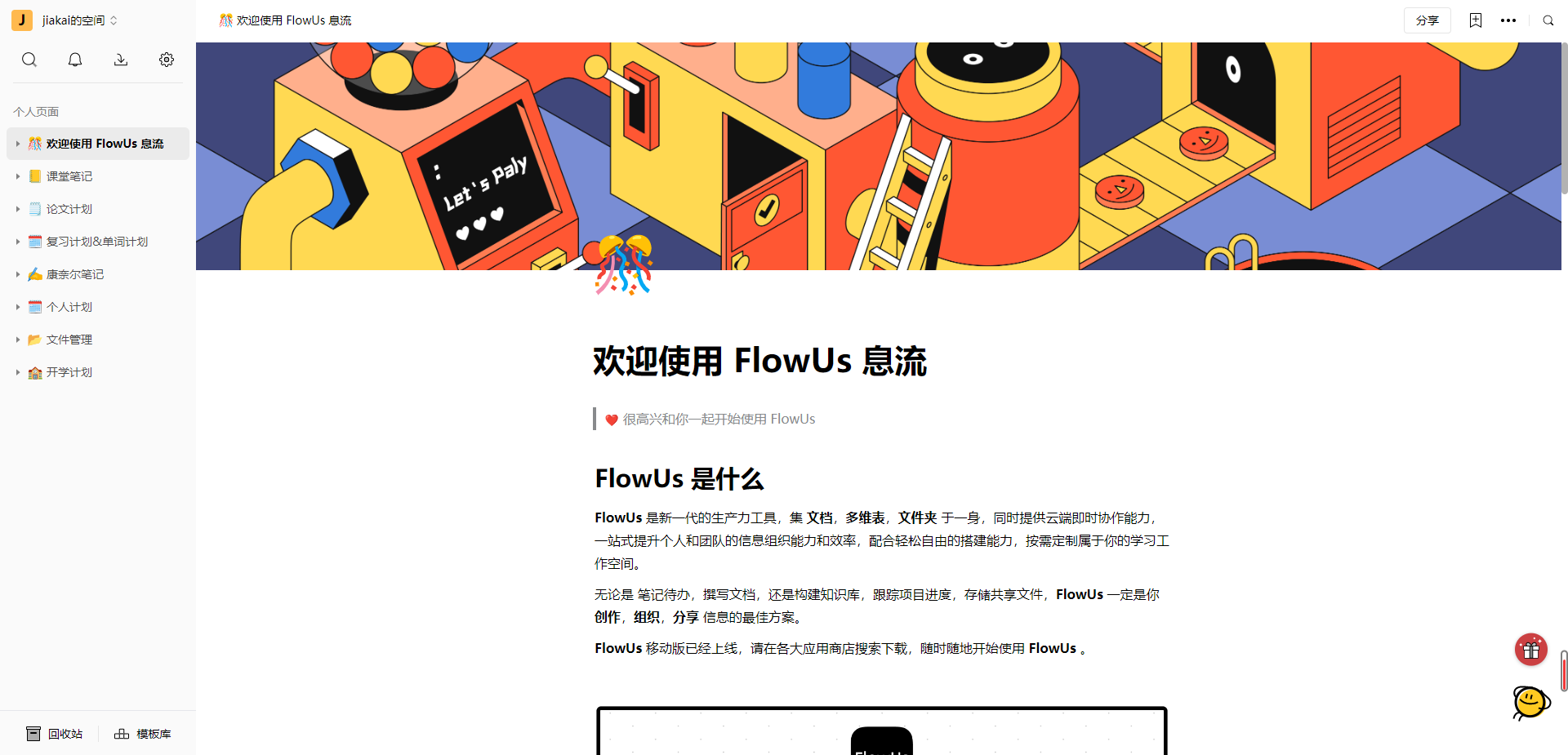
A newly launched productivity tool, similar to foreign Notion and domestic Wolai. Can be used to build your own knowledge base or as cloud storage. Those who like to share can use such productivity tools to build personal blogs/homepages. Just fill in the content and click share in the upper right corner.
Ruanyifeng's latest Tech Enthusiast Weekly has a detailed experience report on FlowUs – click the link to view.
In the virtual museum, you can learn about Intel's history and products through the generations.

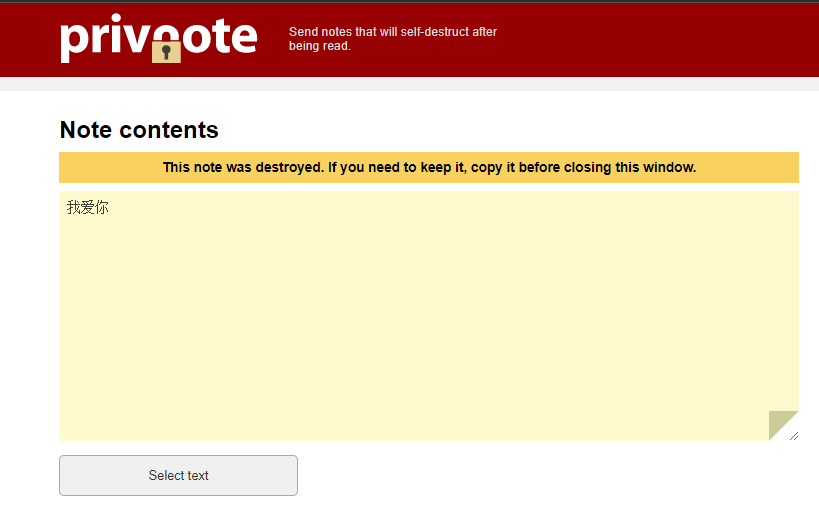
Send private notes that self-destruct after reading. Perfect for encrypted communication or confessing your feelings 😄.
Hide your link behind a quiz. Quiz link – after answering correctly, it automatically redirects to the corresponding site after 5 seconds.
Tools
Recently I watched a video by Bilibili uploader Yupi, which was quite touching. He mentioned that doing self-media exercises his sharing and expression abilities. He believes that clearly explaining what you've learned and helping others learn is a very cool thing [this is actually the Feynman learning technique] – this is his initial motivation for continuing to share.
Part of why I write the weekly newsletter is curiosity about newsletters, and part is hoping my sharing can help others. In this issue, I'm starting to recommend some browser extensions I use with good experience, hoping my sharing can help improve your life efficiency.
Displays article table of contents, helping you quickly understand the article structure for efficient reading.

Bilingual comparison webpage translation – improves your English reading efficiency while making it easier to accumulate English vocabulary.
Before, I always used Google Chrome's built-in Google Translate to translate English pages. The drawback was that translations became completely disconnected from the original text. Caiyun Translator solves this pain point. Below is my result using Caiyun Translator on an Economist article – translation and original text appear simultaneously.