The song title is "You Have Me," not "Fearless You." The original singer is Zhou Shen. Curley G's performance at the 2023 CCTV Online Spring Gala was stunning.
Cover Image
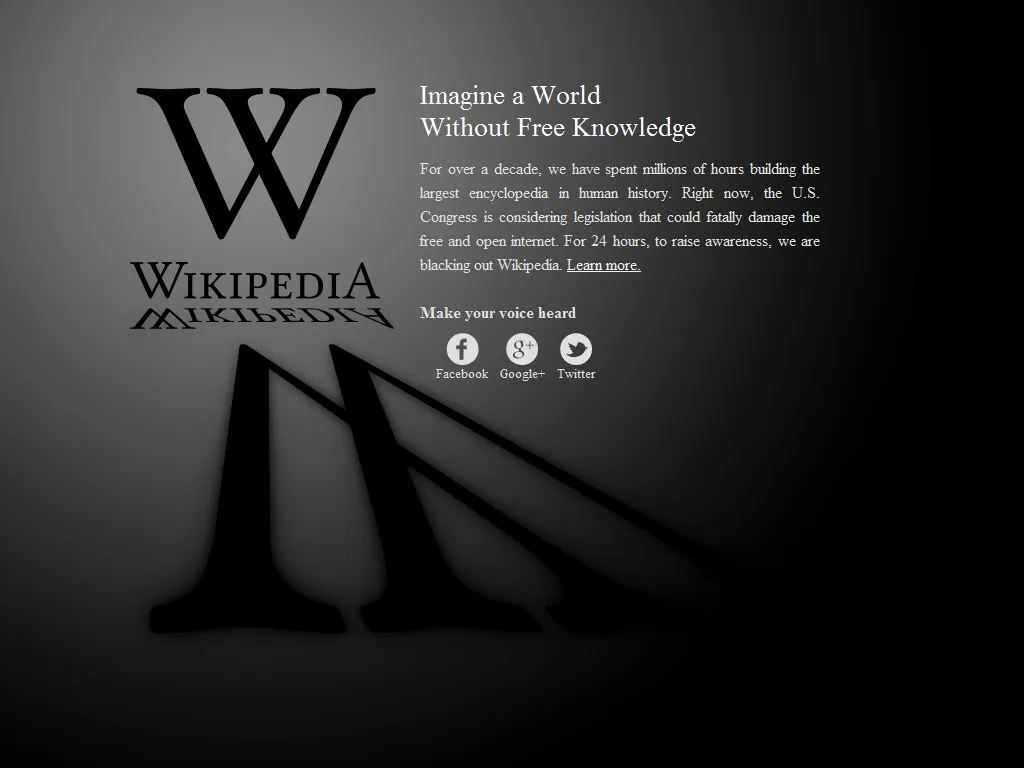
Translation:
Imagine a world without free knowledge.
For over a decade, we have spent millions of hours building the greatest encyclopedia in human history. Now the US Congress is considering legislation that could ultimately harm the free and open Internet. To raise public awareness, we are shutting down Wikipedia.
On January 18, 2012, Wikipedia shut down the English Wikipedia for 24 hours to protest against two bills being considered by the US Congress (SOPA and PIPA). The conflict between intellectual property and knowledge sharing continues to clash in today's human society. How to find a balance between the two is worth our consideration.
Note:
- SOPA: Stop Online Piracy Act
- PIPA: Protect IP Act
Topic: The Bad Habit of Hoarding Information
A few days ago, I came across an article titled My bad habit of hoarding information. The author says he's a tech geek who likes to collect all kinds of interesting information from the internet. In the article, he points out that when the number of links to process in a week grows to over 80, processing all these links is very time-consuming—the workload is enormous.
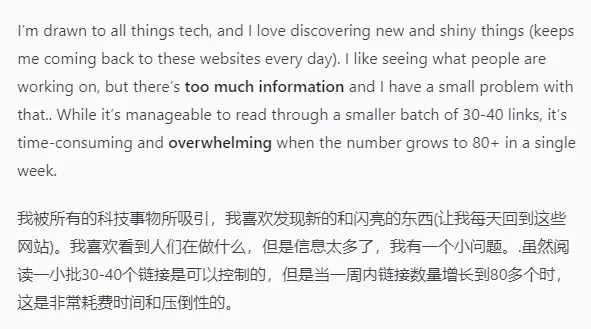
The author also reflects on why he developed this information-collecting habit. It might be due to FOMO (Fear Of Missing Out)—afraid of missing interesting links—or perhaps some form of perfectionism. But regardless of the reason, the end result is spending a lot of energy collecting endless links without time to go back and organize them.

Actually, I've experienced this too and have only recently started to adjust. Before writing the blog post "Read Later = Never Read", I also suffered from FOMO, afraid of missing various exciting news or trending topics on the internet. But after collecting interesting information, I would put them in cold storage, leaving them to gather dust in my bookmarks.
As my bookmarks accumulated more and more, I could no longer tolerate this inefficient, futile collecting. Although there are indeed gems in my bookmarks, most are certainly garbage that doesn't help my personal improvement. So I started clearing bookmarks across all platforms.
I still collect links, but my current collecting has an additional layer of filtering compared to before—that filter is my reading. Only those links that I find valuable and have actually read will I add to my bookmarks for sharing or revisiting later. But these links that make it to my bookmarks are few. Most links I encounter in a day, I close after reading and never let them pollute my bookmarks.
In recent years, various productivity software has emerged endlessly, but have these productivity tools really improved my efficiency? I always reflect on this question. At first, I focused on writing in Typora. Later, hearing that Notion and Obsidian were powerful, I tried writing diaries or notes in these apps, but the results were unsatisfactory. When Notion's new AI feature and Obsidian's new canvas feature launched, they stirred up excitement in the productivity software tinkering community, but I ultimately chose to leave and continue using Typora for writing.
Actually, tinkering with productivity software and hoarding information are the same principle. The essence is that you're trying to use your limited energy to gather unlimited knowledge or engage in endless tinkering to obtain continuous dopamine hits. In this process, you do gain pleasure, but you also scatter your energy, thus reducing your quality of life.
In the HackerNews discussion about the My bad habit of hoarding information article, I saw some comments like this. The commenter below is a cautionary tale—he has 24,000+ links stored in the OneTab browser extension. If he doesn't clear them, I estimate he'll have difficulty consuming so many links in his lifetime.

One commenter shared experience drawn from recent reading: focus on knowledge output rather than knowledge consumption.
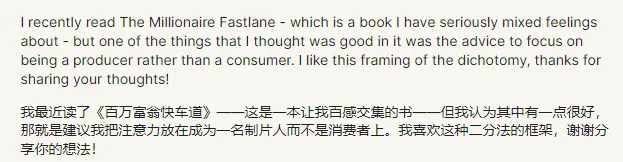
I quite agree with this view. Writing newsletters is a form of knowledge output. Even if the newsletter goes unnoticed, that's not something I should worry about. My focus is on completing and proofreading the newsletter and publishing it, sharing my thoughts with the world—being a knowledge producer in addition to being a consumer.
"My life has limits, but knowledge has none." To pursue the limitless with the limited will exhaust you and leave you empty-handed. Don't use your finite life chasing infinite knowledge.
If there really were a technology that could permanently store all the links you visit daily and provide search functionality, hoarding information wouldn't be a concern—you'd just need to tag well when hoarding, and when writing later, you could search for whatever knowledge you need. Undeniably, reading an article before citing it leaves the deepest impression, but unfortunately, no such service exists.
Therefore, abandoning the bad habit of hoarding information early and focusing more on knowledge output alongside knowledge input is the royal road to escaping the information explosion era.
Interesting
- On the internet, nobody knows you're a dog. This cartoon was published in The New Yorker magazine in 1993, fully embodying the anonymity of the internet. In the 21st century today, there's virtually no privacy left—unless you go offline, you're completely exposed. When you use an app and thoughtlessly check "I have read and agree to the relevant terms of service," you've already sold yourself to tech giants.

Link Sharing
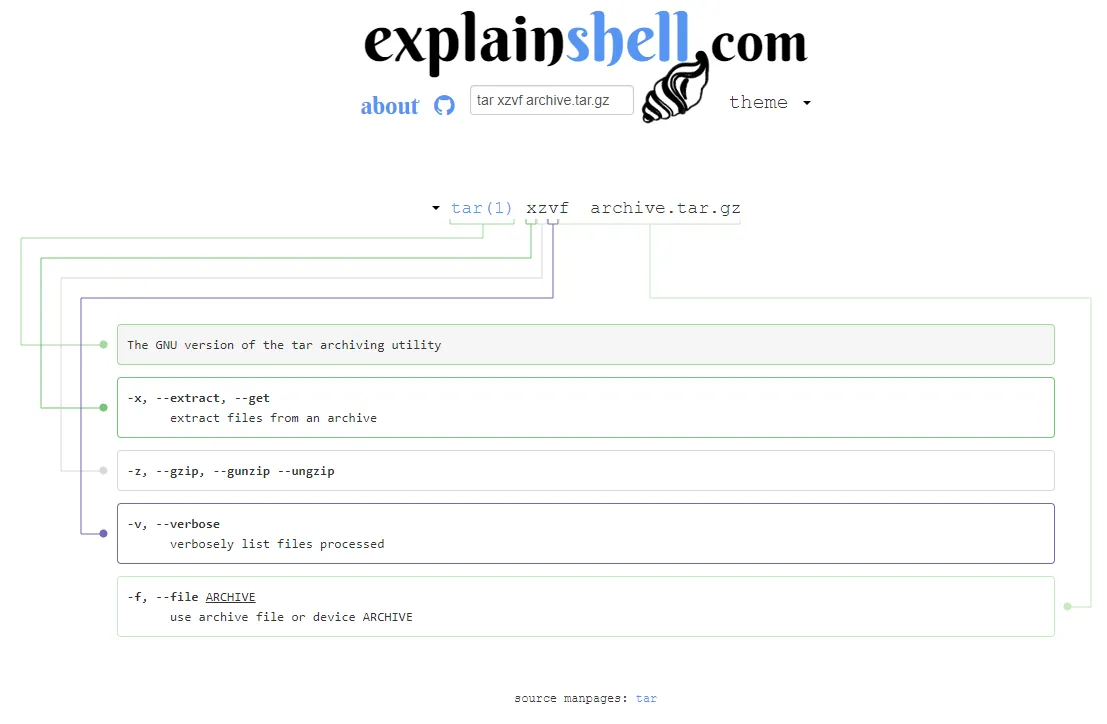
This website can help you learn about shell commands. The image above shows the tar command and the meaning of its parameters.
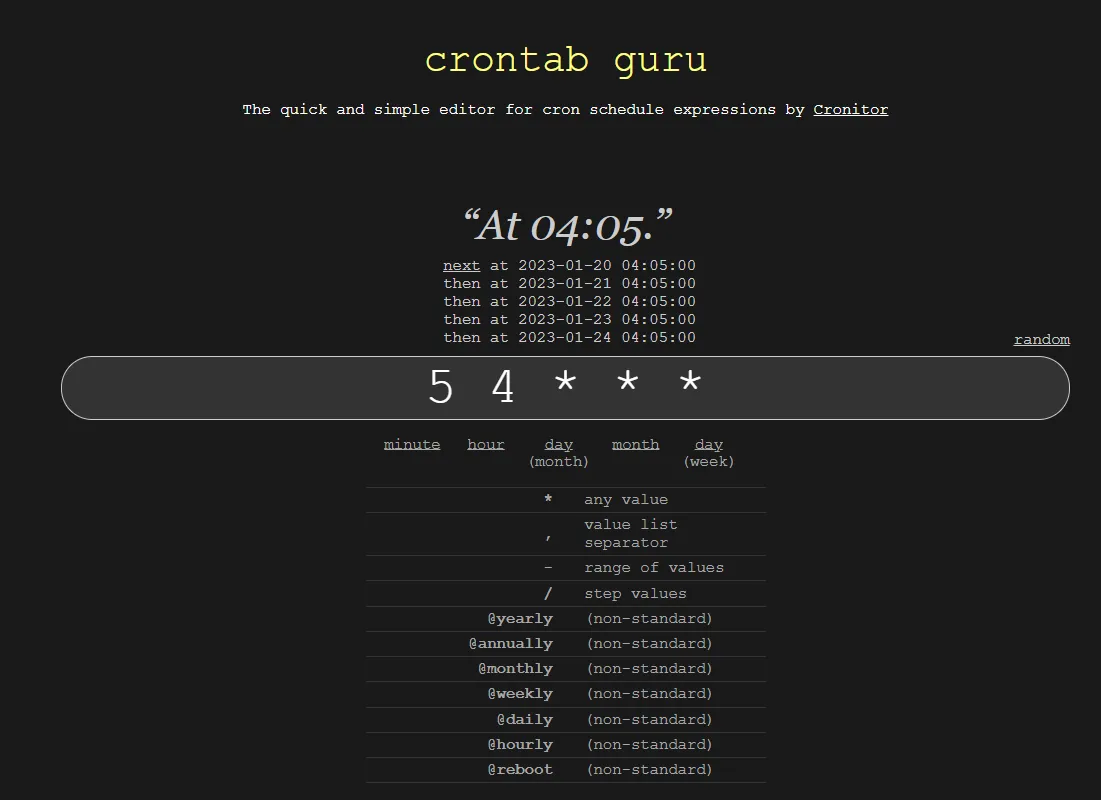
To implement scheduled tasks on Linux, you need cron expressions. This website can help you learn cron expressions.
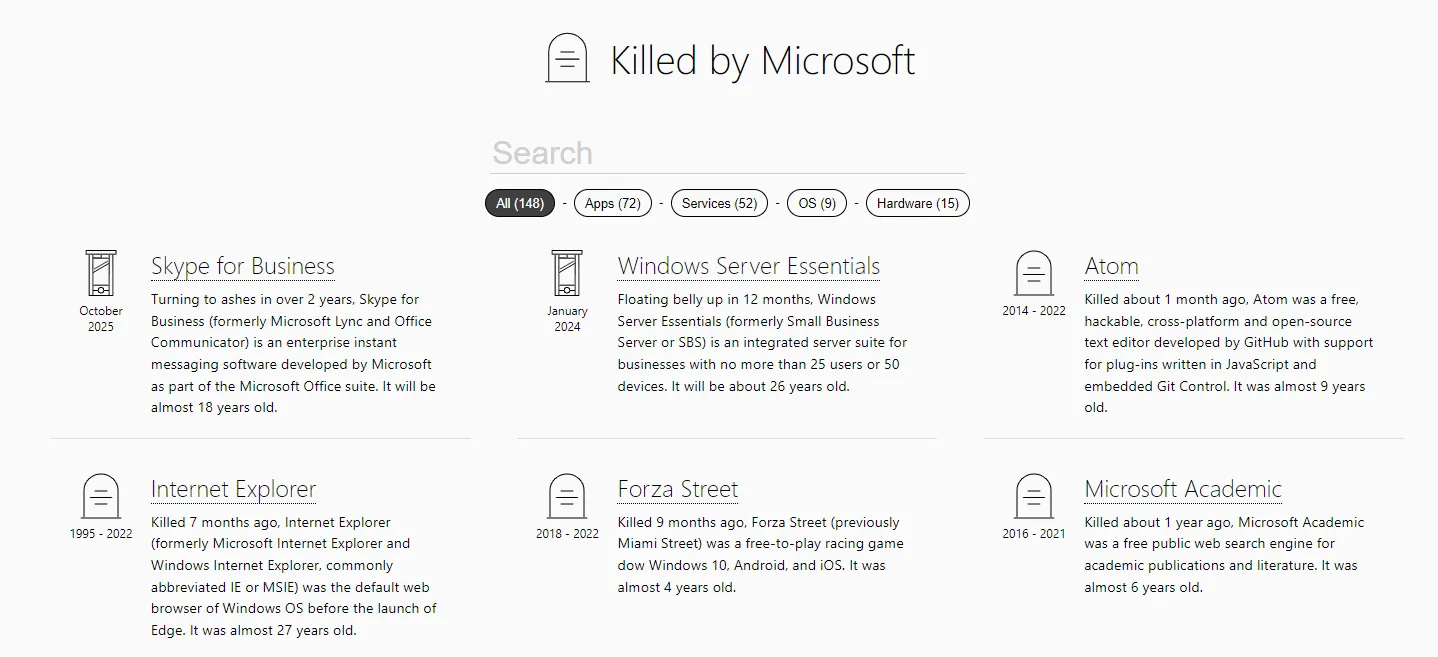
This website lists products and services killed by tech giant Microsoft, including services familiar to us like IE and Atom. Project open source.
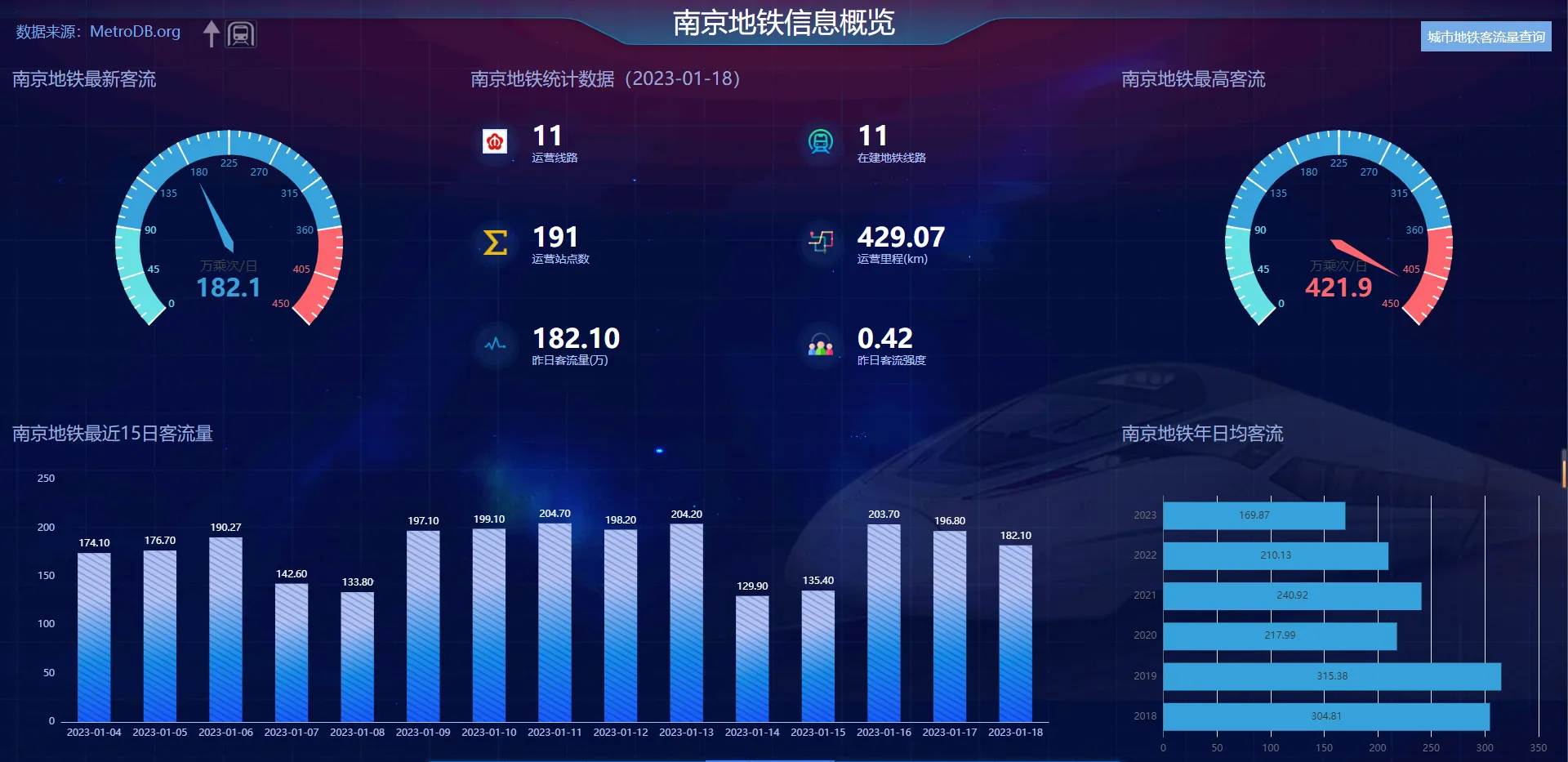
This website provides metro information for major Chinese cities. The image above shows Nanjing metro information.

If a merchant wants to promote their brand through WeChat like-collecting campaigns, you can use this guide to easily complete the task. Currently, the program supports up to 200 likes and 15 comments with high customization. The program faithfully replicates the WeChat interface and can easily fool like-collecting event organizers. As shown in the image, I used this program to generate a post with 200 likes and 15 comments.

The human photos provided by this website are all generated by GAN (Generative Adversarial Network). Every time you press F5 to refresh the page, a different photo appears. The links in the bottom right corner also provide other similar websites. There's an accessible article explaining what GAN is.
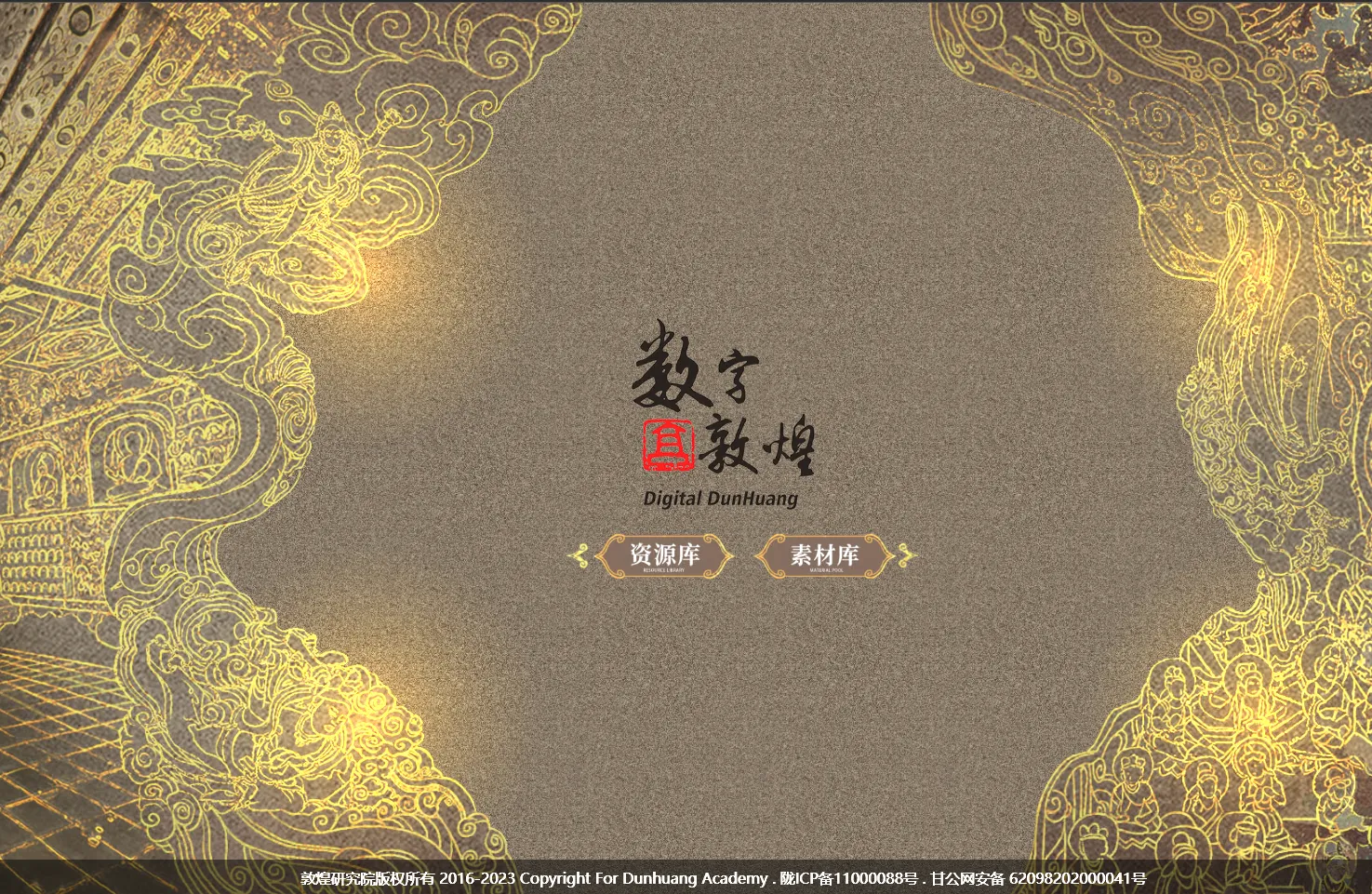
When mentioning Dunhuang, people's first reaction is the Mogao Caves, but there's more than just the Mogao Caves. Dunhuang grottoes include the Mogao Caves, West Thousand Buddha Caves, and other cave complexes. This website can take you on a tour of the Dunhuang grottoes.

A rumor-debunking website launched by the Cyberspace Administration of China, answering people's questions.
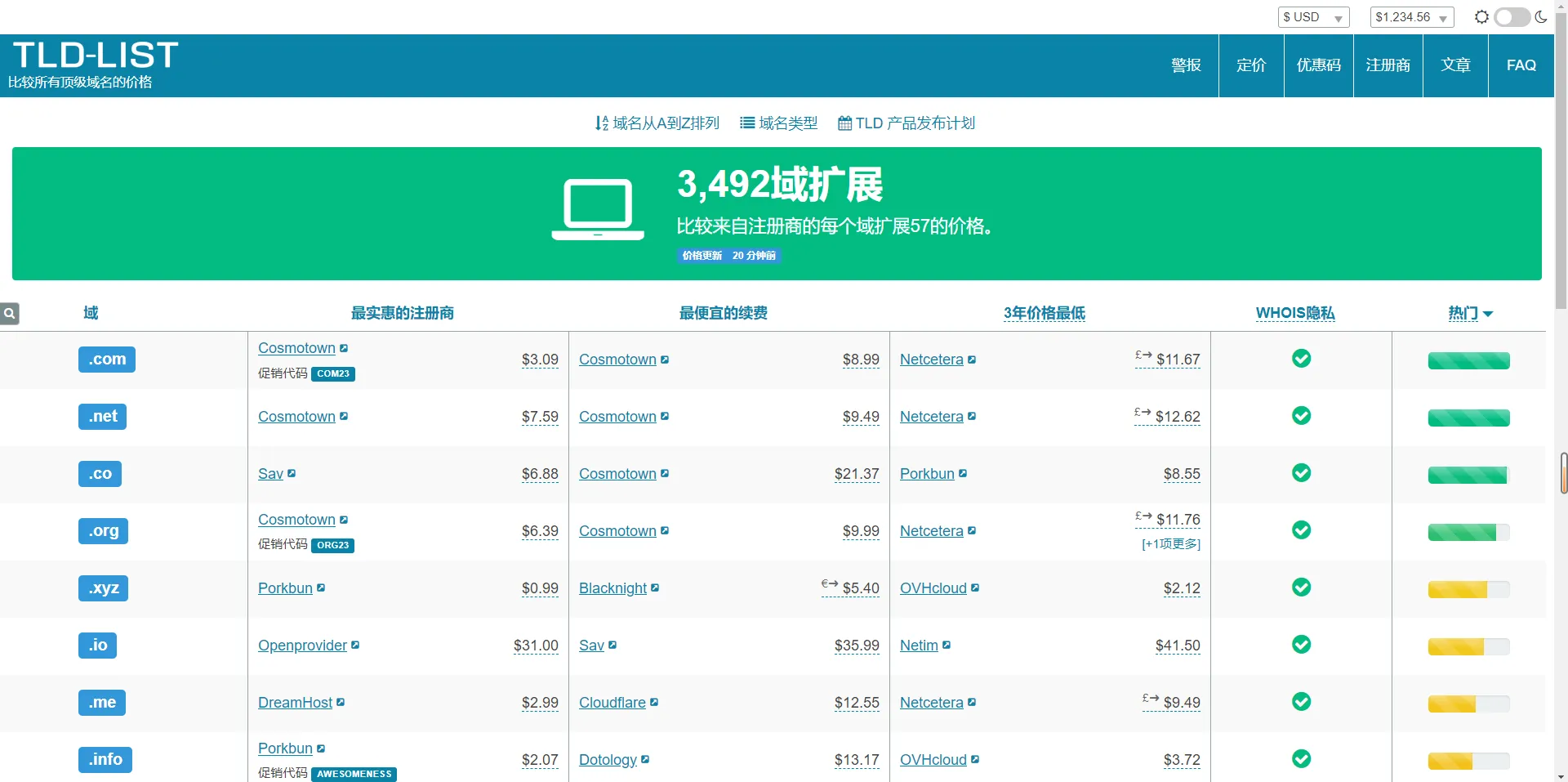
This website provides price data from various top-level domain registrars to help you find the most affordable domain registrar. Domain registration is an investment (for reselling at a markup), but currently, short and memorable domain names have long been registered. If you want to build your own personal website like me to share what you want to share, when you reach the step of purchasing a domain, I recommend checking this website.
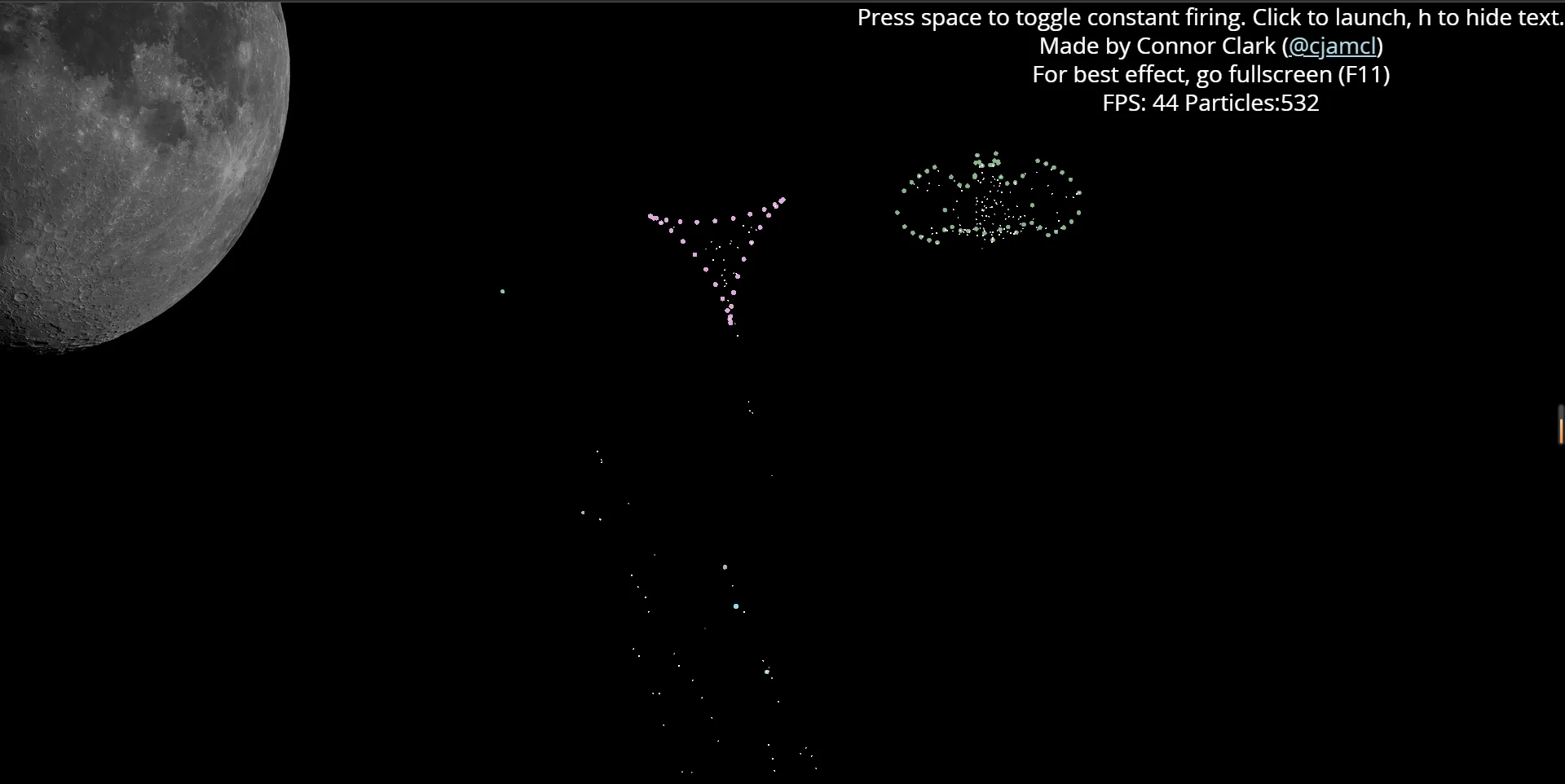
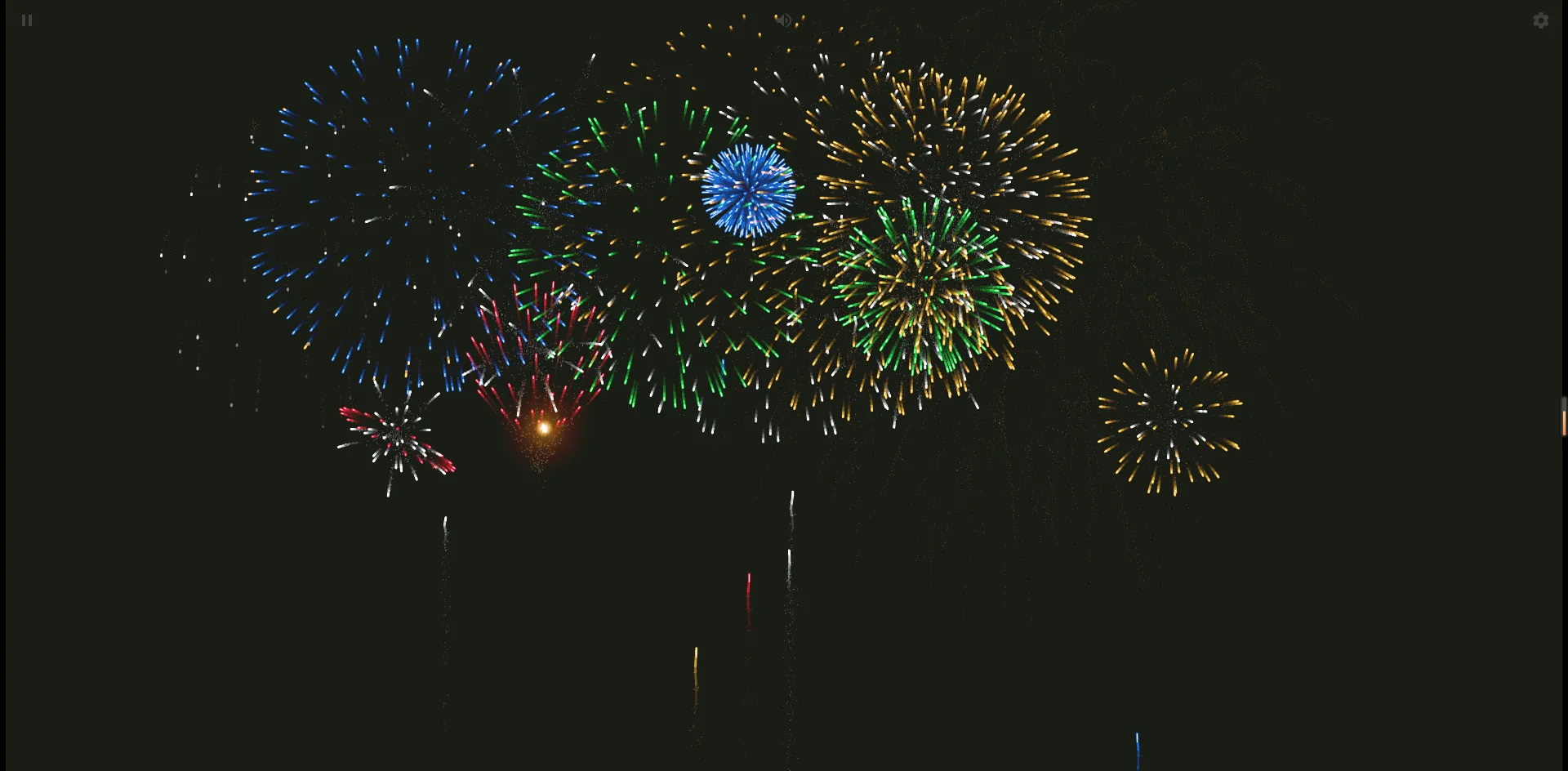
As Spring Festival approaches, some regions in mainland China prohibit fireworks. These websites let you watch fireworks shows in your browser. The Firework Simulator feels more immersive.
Quotes
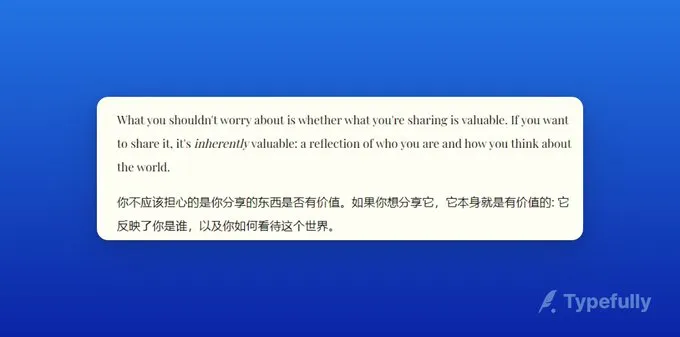
- You shouldn't worry about whether your sharing is valuable. If you want to share it, it's already valuable: it reflects who you are and how you see the world. via
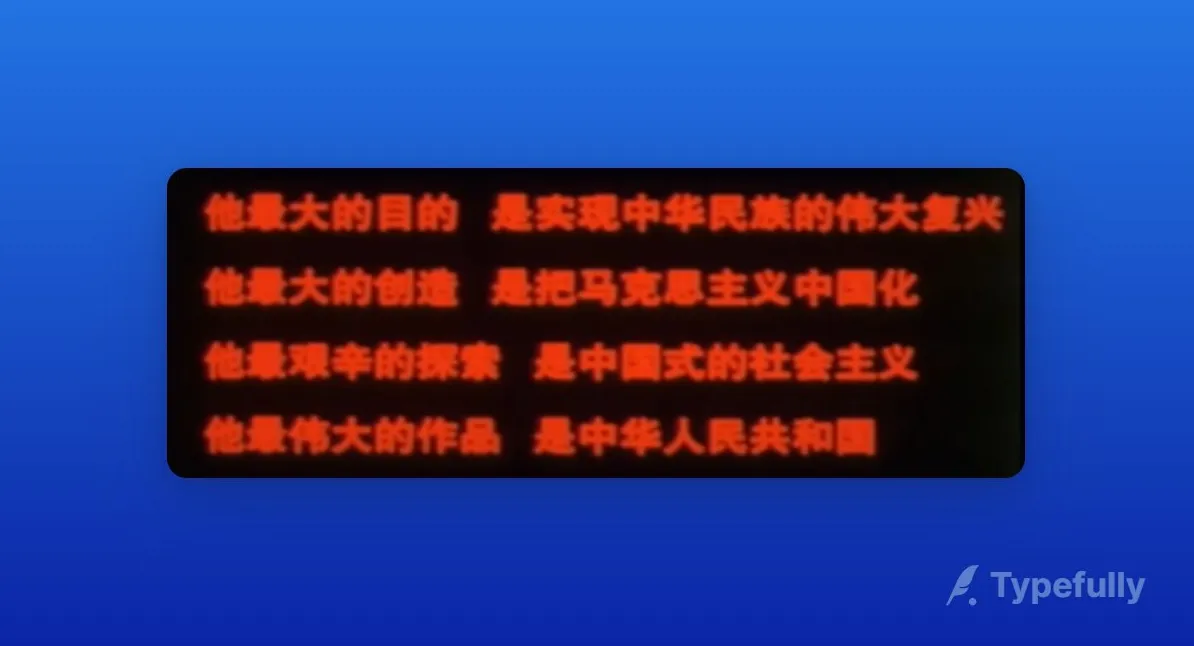
- His greatest work is the People's Republic of China. Into Mao Zedong documentary
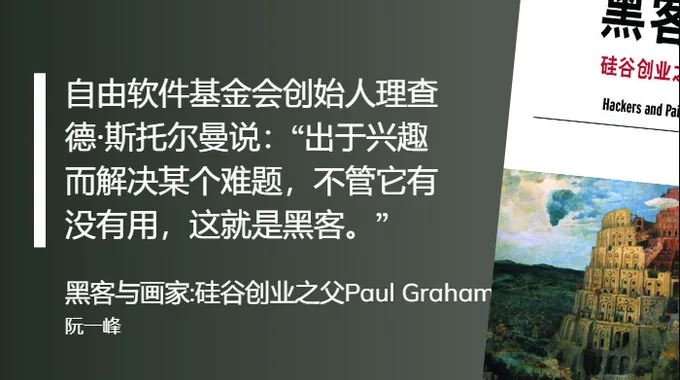
- Richard Stallman, founder of the Free Software Foundation, said: "Solving some difficult problem out of interest, regardless of whether it's useful or not—that's hacking."
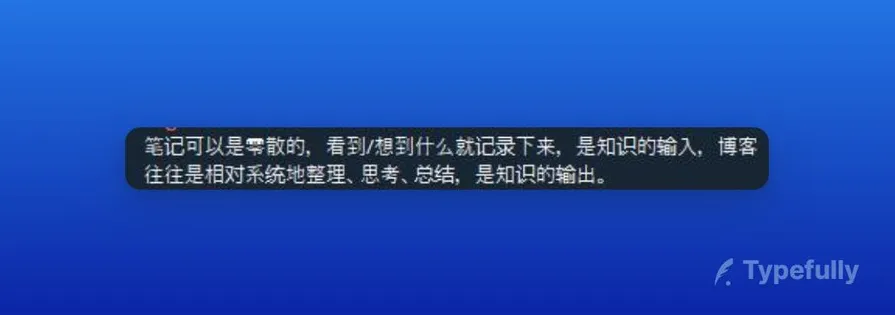
- Notes can be scattered—just record what you see or think. It's knowledge input. Blogs are often systematic organization, thinking, and summarizing—knowledge output.
- Freedom is being free to say that 2+2=4.