This duet "Not So Simple" by Na Ying and Jason Zhang expresses the most universal feelings of adults! Everyone hustling for a living has their struggles.
Cover Image


An adorable kitten at the umbrella stand outside Nanjing Xiaozhuang University library. At 7:30 AM, the library paired with a sleepy kitten is really healing. 🥰🥰🥰
Topic: Solutions for Graduating into Unemployment
Recently, news about rising youth unemployment rates keeps appearing. On June 15th, the National Bureau of Statistics released May's economic data, showing the surveyed unemployment rate for ages 16-24 at 20.8%.

From netizens' comments, combined with the employment situations of classmates around me, you can see the severity of the job market.
In my dormitory building (3 dorms total), only two people landed Java development positions, and one of them chose to pursue a part-time master's at a non-985/211 university instead.
Among my roommates, only 2 found jobs. Dorm situation: 2 passed exams (graduate school or civil service), 2 employed, 2 still job hunting. The 2 employed roommates relied on connections to find internship positions, not their own skills and abilities. This seems sad to me—four years of college essentially learned nothing, starting from scratch.
The above is the employment situation of classmates around me. Combined with some interesting comments I've seen from netizens recently, it's not hard to conclude that the reasons why college graduates struggle to find jobs include:
-
Overestimating abilities and underestimating difficulties
-
Saturated job market with severe internal competition
-
Not studying properly during college
-
Severe disconnect between university education and society
-
Relationship-based society with no connections to leverage
-
...
The first point, overestimating one's abilities, is actually quite common among college students. Many students think that after attending college, they'll definitely find a decent job after graduation. Little do they know that decent jobs require you to earn them with your own abilities. With an ordinary background and no technical skills gained in college, why should you get a starting salary of 10,000 yuan per month? Complaining that 3,000-6,000 yuan is too little—I'd say it's a miracle if you're not unemployed.
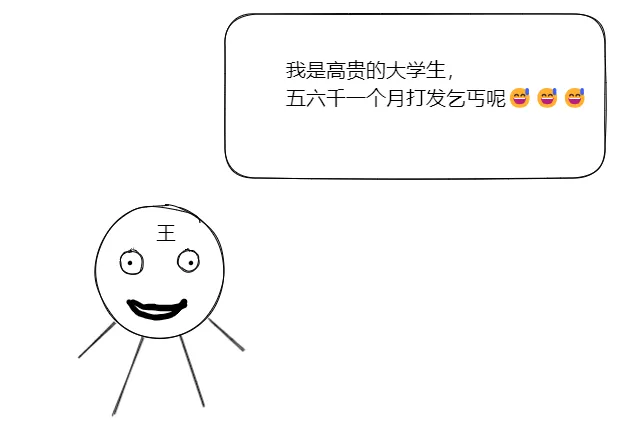
The second point, saturated job market with severe internal competition. Starting several years ago, major companies began laying off employees one after another—of course, some companies euphemistically call it "graduation." The job market already has few positions available, yet there are many college graduates. The result is increasingly severe internal competition, with the exhaustion wearing down young people. Also, to find higher-quality talent, companies often filter by academic credentials first. Talented vocational college students are left crying in the bathroom because their identity as vocational graduates has already sentenced them to death—many companies won't even give them an interview opportunity.
My former vision: Use technology to find a career I love. After seeing reality, I learned how cold the world can be. Pathologically distorted views actually need a lot of time for society to change. Not every student needs the halo of a master's or doctoral degree to have a chance at finding a career they love. The way careers should filter talent should be based on whether their skills are solid and whether they can create value for the company.
The third point, not studying properly during college. If college students only know how to take exams and fear internships, they won't achieve great things, and unemployment will be the final outcome. What college students need to do isn't just solidify their professional knowledge—more importantly, they need to understand society's needs. Learn what society needs; only then can you never become part of the graduating-into-unemployment army.
Take the AI wave that started last year as an example—so many AI tools have emerged. In my view, they're already capable of eliminating some jobs. If you don't keep up with the times, merely seeing news reports about ChatGPT without using it yourself, even if you use 3.5 but aren't willing to go through the trouble of getting 4.0 to experience real AI, your elimination is just a matter of time. Always remember: AI will only eliminate people who don't know how to use AI.
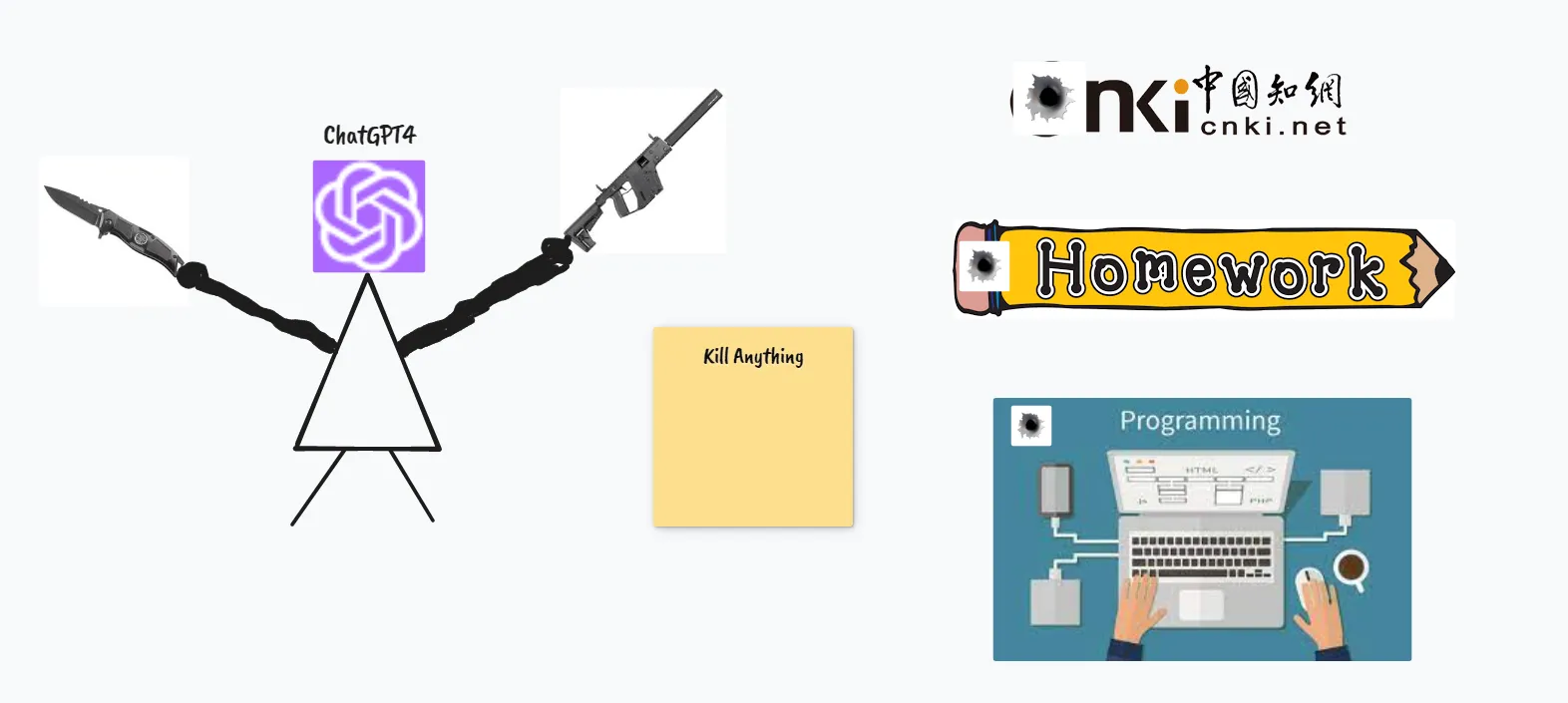
The fourth point, severe disconnect between university education and society. Universities still use technology or tools from 10 years ago to teach, not keeping up with the times—this only wastes students' 4 years.
Take my undergraduate institution, Nanjing Xiaozhuang University, for example. The thesis template my advisor provided from the previous class still used JSP and other outdated technologies to develop systems. How can there be a future like this? When I defended my thesis, my blog system called the ChatGPT API, and the response was that using ChatGPT is illegal—blindly emphasizing political correctness. Is this really how a teacher should be? Not striving for progress while trying to limit others—such rigid behavior is nauseating.
The fifth point, relationship-based society. In China, social operations largely depend on interpersonal relationships and social skills. This means that even individuals whose skills and experience are still developing can succeed in the workplace if they're good at socializing and understanding how things work. My two roommates are good examples—they joined companies through their respective networks and started learning the technologies required from the basics. This shows that if someone lacks both a strong social network and necessary skills or knowledge, they'll face even greater challenges after graduation.
I personally dislike relationship-based society, but being in it, you can only adapt as you go.
Facing such a severe employment situation, how should you respond?
-
Lower your expectations, settle down and develop yourself, always be ready to job-hop
-
Become a competition master, take exams (delay employment pressure), or emigrate (escape China's internal competition)
-
Self-study in college, use the internet to learn the latest knowledge and technologies
-
Better understand society's needs, learn with specific goals
-
Be yourself, strive to find employment easily even without connections
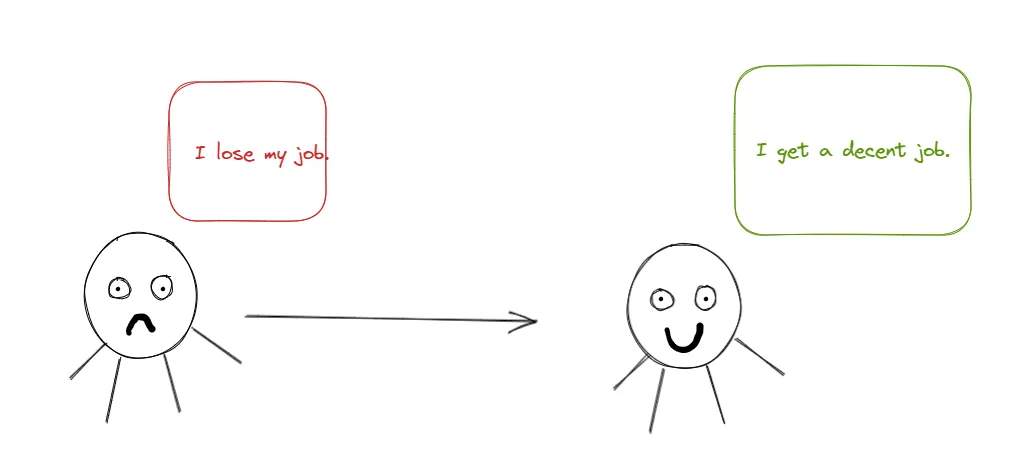
I hope everyone can achieve the transformation shown in the image below—from unemployment to landing a decent job.
Link Sharing
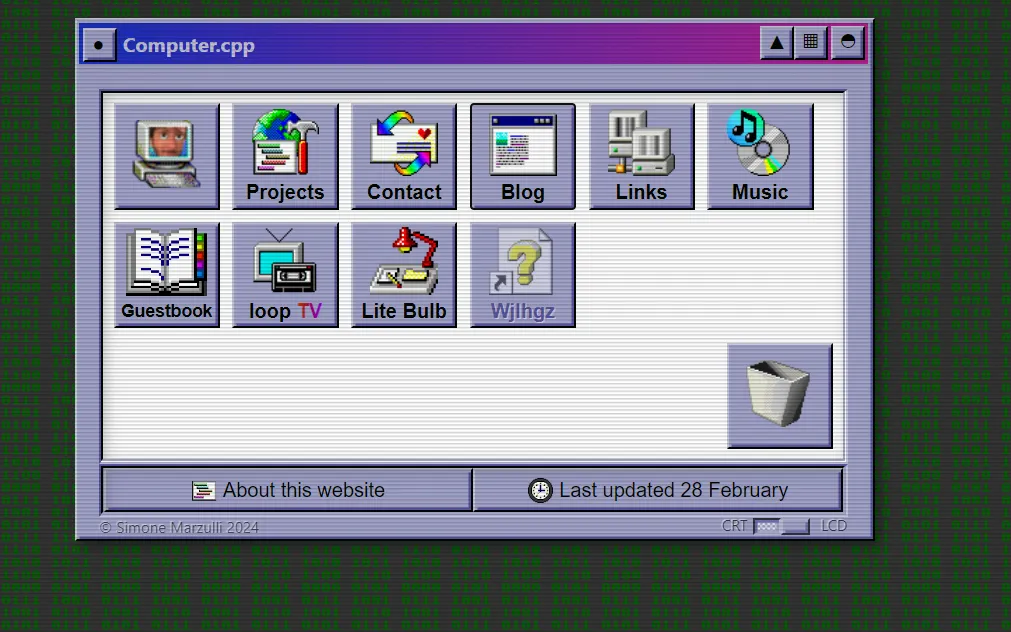
Simone's personal website—a site with retro styling. It makes you feel the nostalgic atmosphere of the early personal computer era, showcasing the charming appeal of classic computer interfaces.
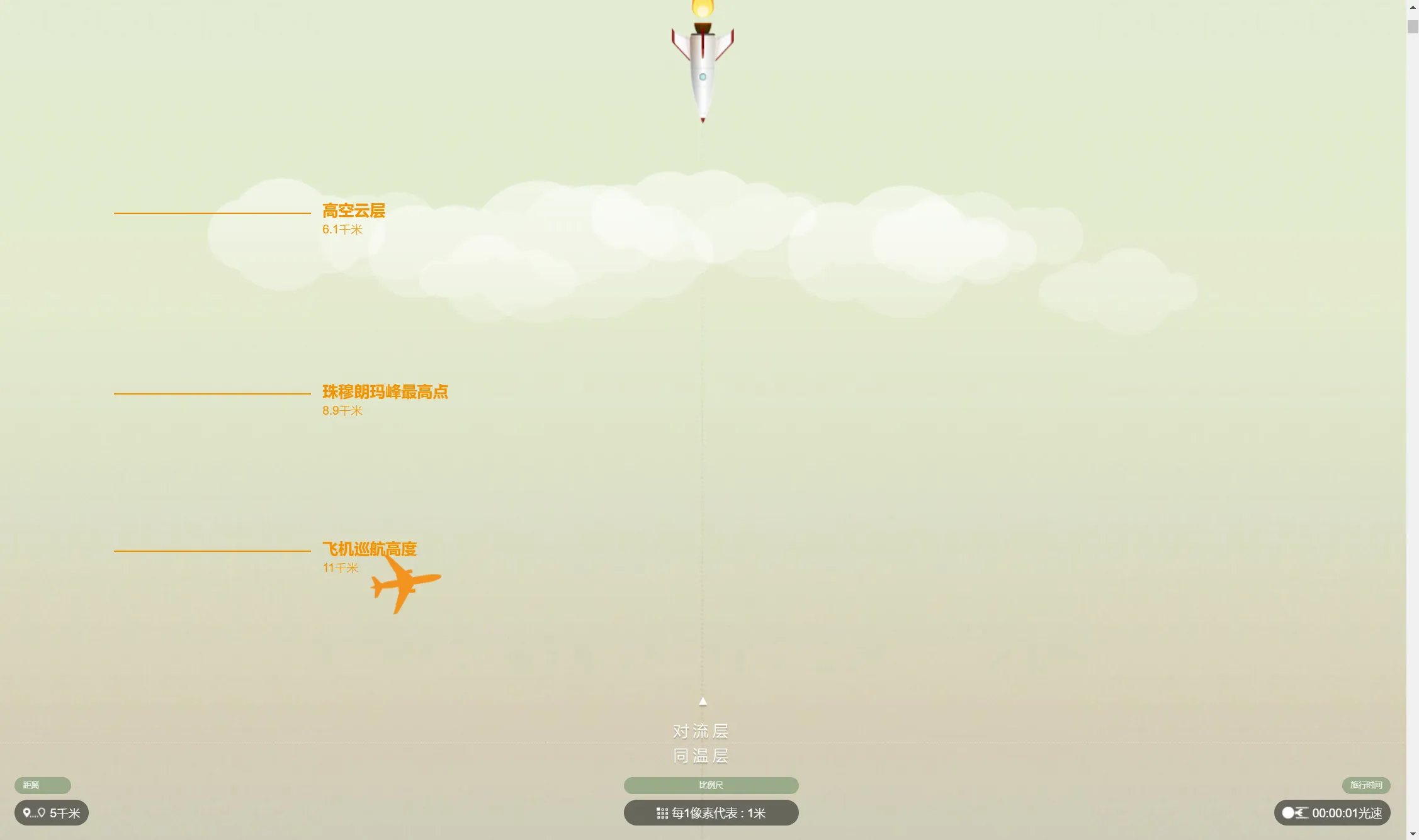
A very exquisite interactive webpage introducing the solar system. We just need to scroll the mouse to step from Earth toward the sky, heading to the Moon, Mars, easily traveling through the solar system. It also answers questions along the way—super educational.

An interactive 3D visualization of the stellar neighborhood. Narration in English.
Note
Link sharing section completed on February 29, 2024; the rest was completed on July 10, 2023.
Time flies so fast—it's almost been one year since my college graduation.