It's the last semester of university, and my student life might be ending. I really want to take a trip across the country, see the beautiful mountains and rivers of the motherland, then throw myself into work.
Cover Image
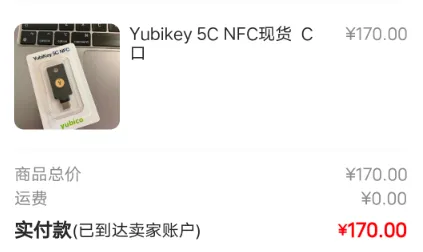
At the end of September last year, Cloudflare and Yubikey partnered to launch a promotional package with a minimum of $10 for a Yubikey 5. At that time, I applied and received Cloudflare's promo code. Since I didn't have time to order from overseas, I carelessly deleted the email containing the Cloudflare promo code.
In December last year, I heard from others that Cloudflare's promo codes would expire at year's end, but my email only keeps deleted messages for 30 days. The email with the Cloudflare promo code was deleted in early October and was already unrecoverable. So I placed an order on the second-hand platform and purchased a Yubikey.
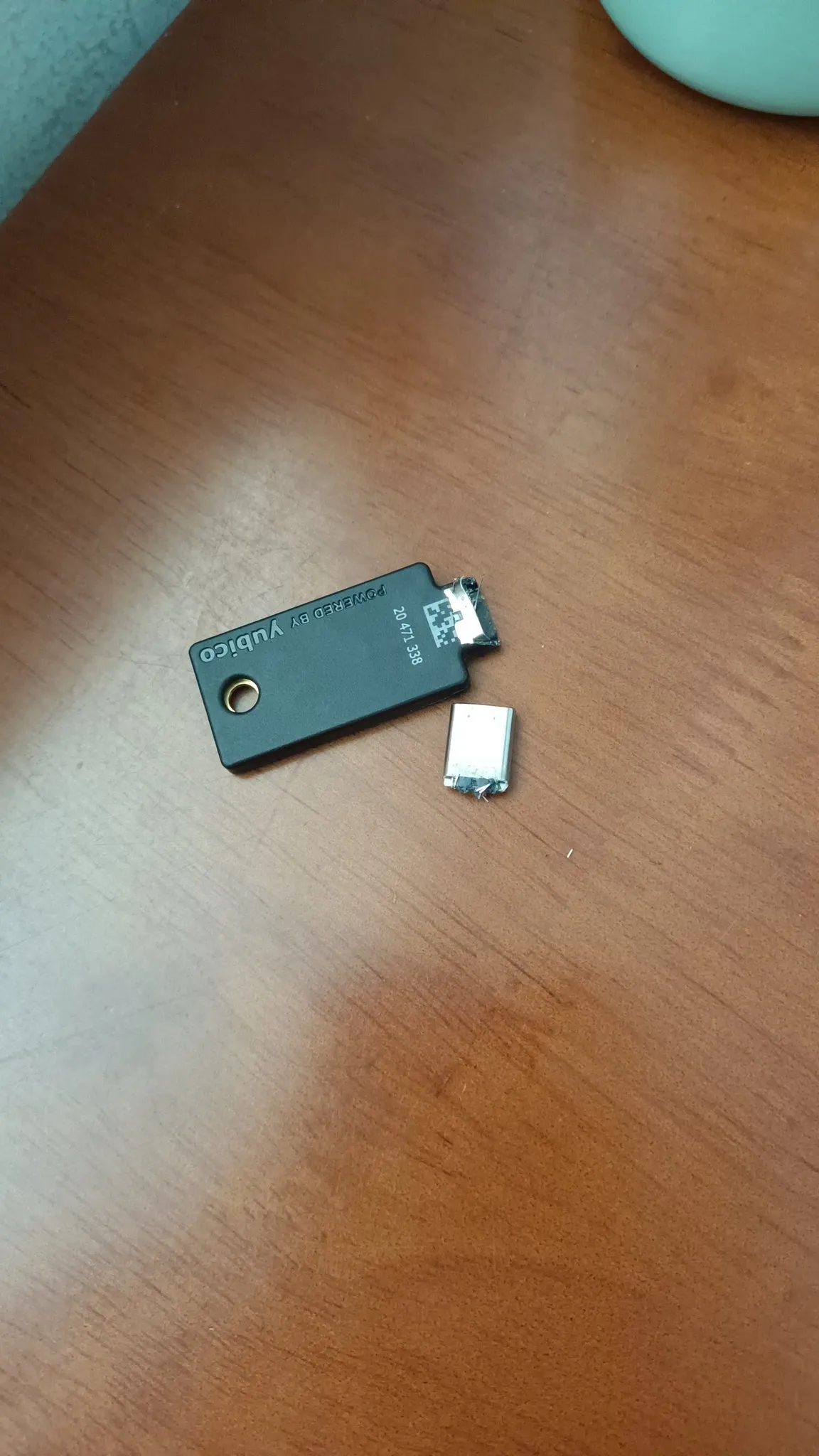
I used this physical key for about 2 months before I broke it in mid-February. I don't have the habit of removing the Yubikey—it stayed plugged into my computer. My laptop sleeve is only big enough for the laptop, leaving the Yubikey sticking out. When I put the physical key along with the sleeve into my backpack, the next time I opened the bag, I found the Yubikey had been snapped.
Currently, I've only experienced adding the Yubikey to my Google, GitHub, and Cloudflare accounts as a physical key for two-factor authentication. This small key has many more functions. When I encounter such deals again in the future, I'll buy a couple more to play with.
Topic: Today I Learned
The fastest way to learn is to make your learning process public. Swyx, the advocate of Learn In Public, mentioned this view in his blog post Learn In Public.

I first encountered this view in a domestic blogger's post—I can't remember exactly where. Later, I searched and found the original author's article mentioned above, Learn In Public.
Thinking about your learning notes being published online, you'll definitely take them more seriously because you want to leave a good impression on others. The act of publishing notes indirectly promotes deep learning of a certain field of knowledge.
I once starred a GitHub repository called til, but didn't look into it at the time. The repository author Josh Branchaud posted this repository on HackerNews. This post inspired Simon Willison, co-creator of the Django framework, so he also created a personal repository to record his learning notes and converted the repository into a website. Tonight (February 21, 2023), while organizing my old personal links, I visited Washington Post journalist Kevin Schaul's personal blog. I found that his blog theme is the same as mine—both using the hugo-ivy theme. The "Today I Learned" column caught my attention. This column records the blogger's past learning notes, and he created this column influenced by Simon Willison.
So I also created this column on my personal blog to record my learning notes, make the learning process public, and hopefully achieve the best learning results.
This chain-like propagation of values made me fully appreciate the charm of personal blogs. I hope my sharing can inspire more people to make their learning process public on the internet.
Interesting
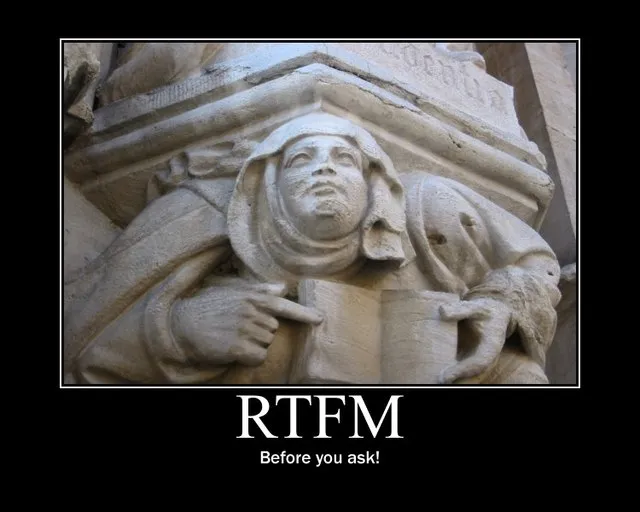
RTFM is an acronym for "Read The Fucking Manual." Programming often requires consulting official documentation, but official documentation can be long and tedious. When you ask someone a question, if the answer happens to be in the official documentation, the responder can use RTFM to tell you to read the documentation properly to improve yourself. Of course, it's more polite if you also include the specific location in the official documentation.
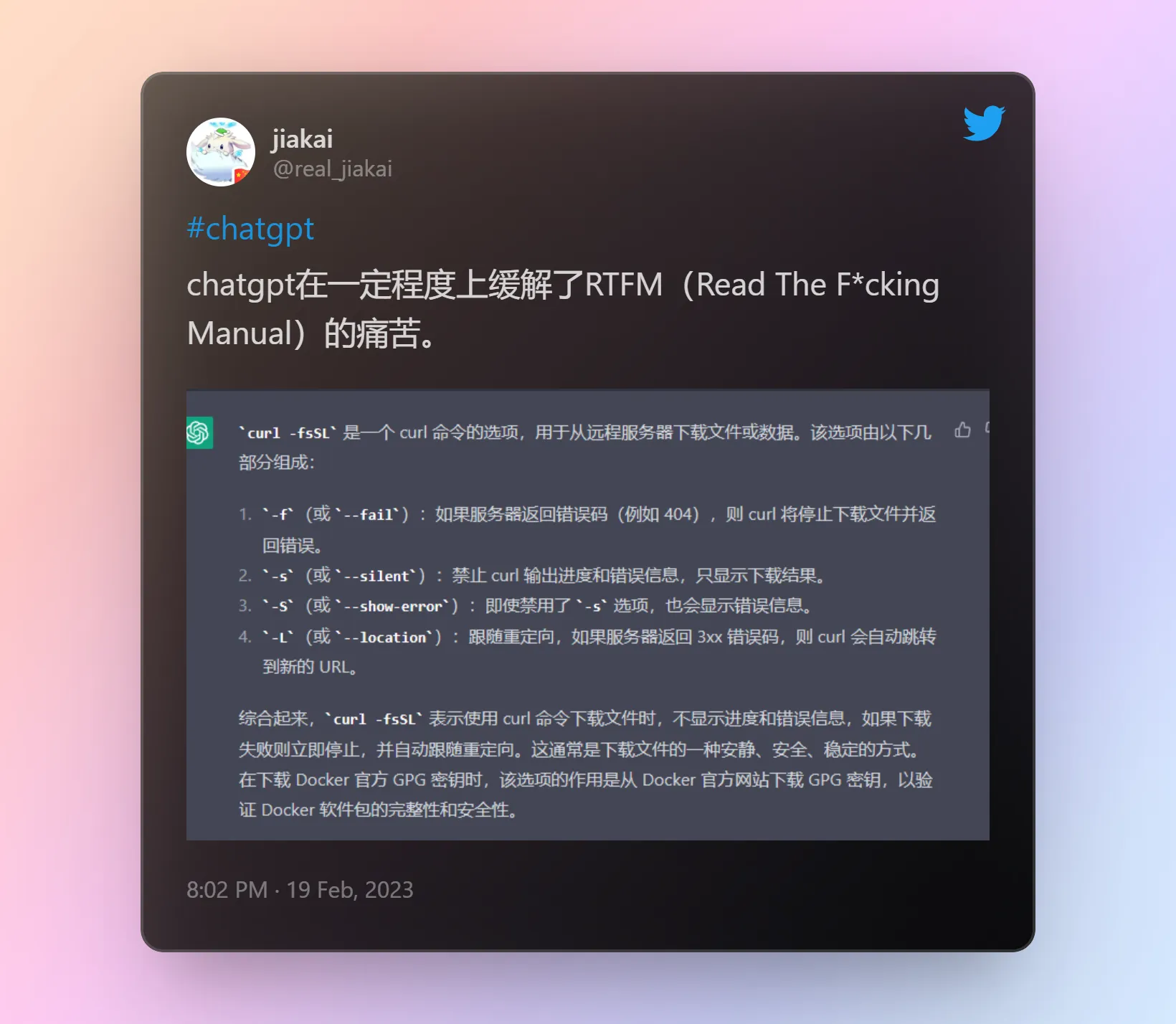
Note: The emergence of ChatGPT and New Bing has somewhat eased the pain of RTFM (Read The F*cking Manual).
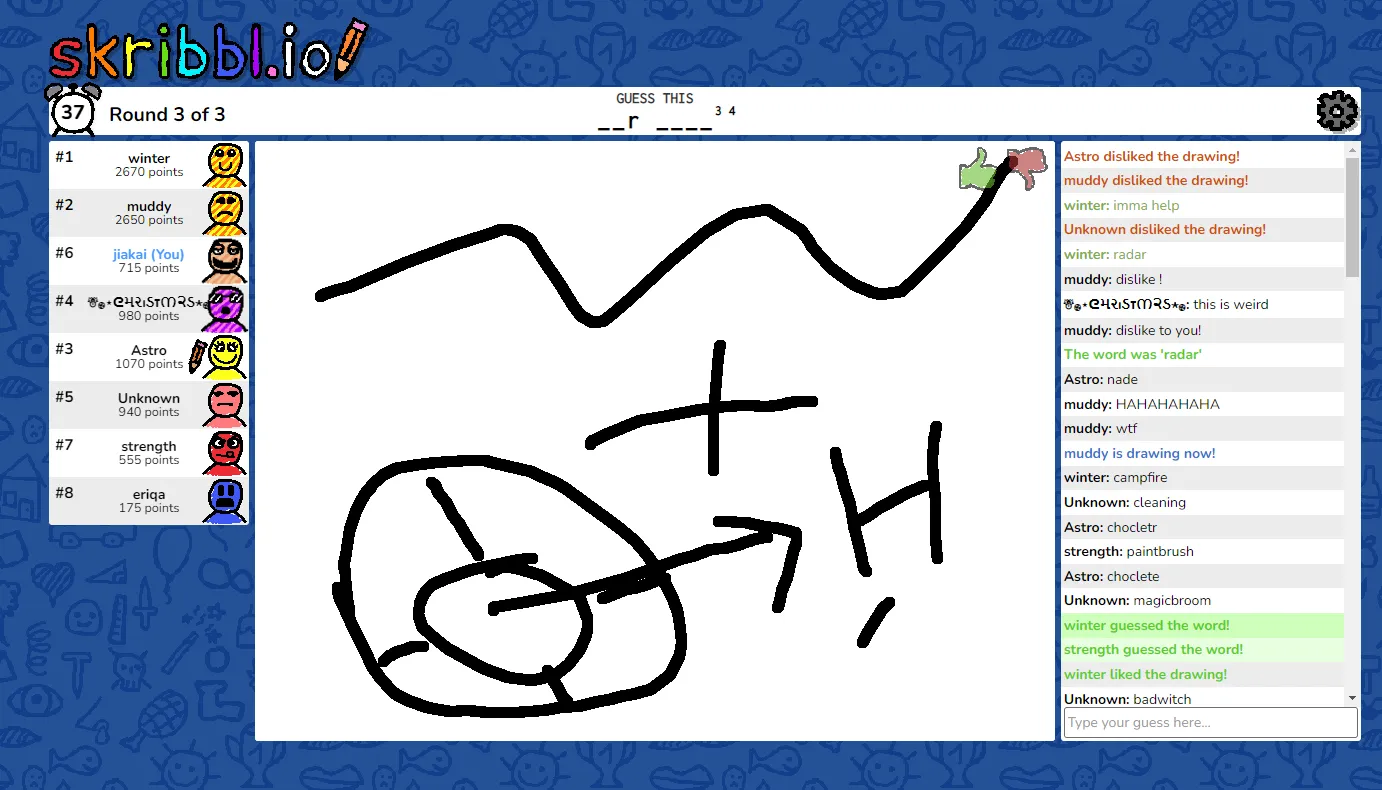
This website is a free online multiplayer drawing and guessing game, inspired by the original drawing game Pictionary. Each round, one player must draw a word they've chosen while other players try to guess it for points! At the end of the game, the person with the highest score is crowned the winner! You can play with friends or join a random game.
On the afternoon of February 27th, I played with foreigners for half an hour—quite fun.
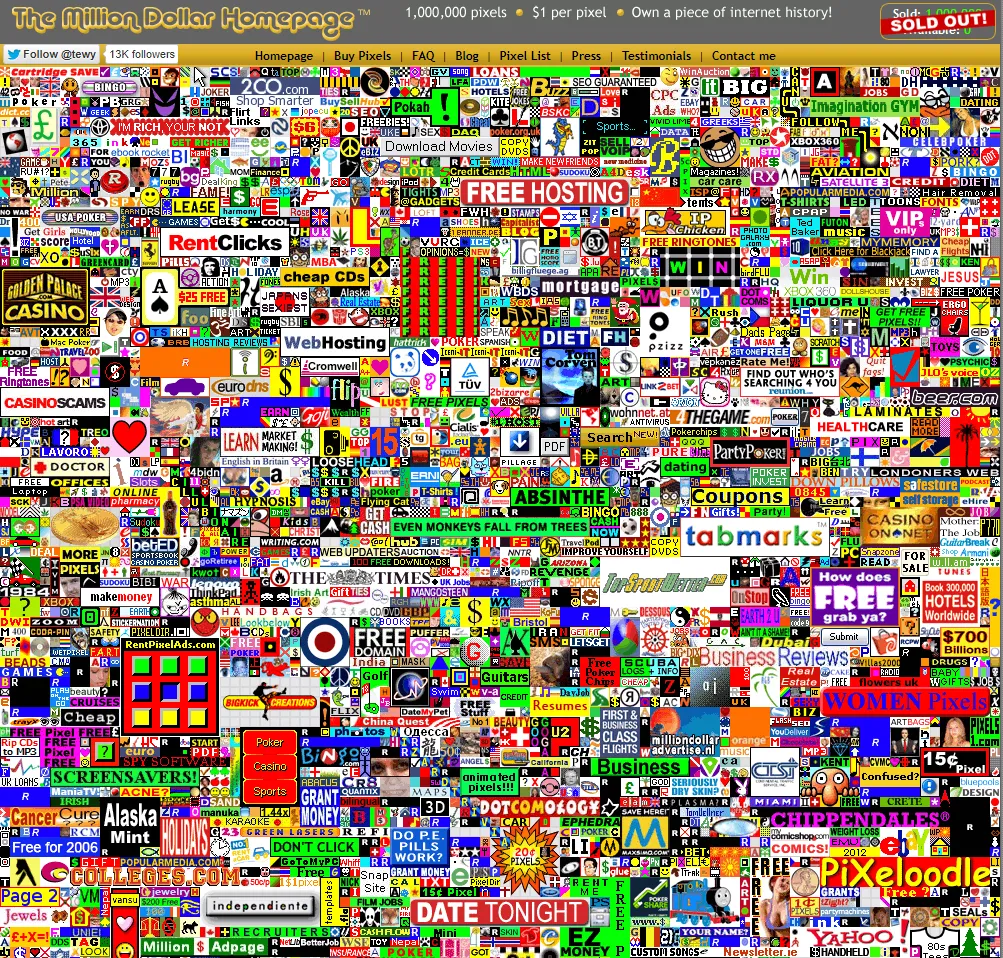
This website was created in 2005 by British university student Alex Tew to raise money for his college tuition. The homepage consists of one million pixels, with each pixel selling for $1. Buyers could place their own images and links on these pixels. The website made $1 million in just five months and became a miracle in internet history. However, many links on this website are now dead.
Link Sharing
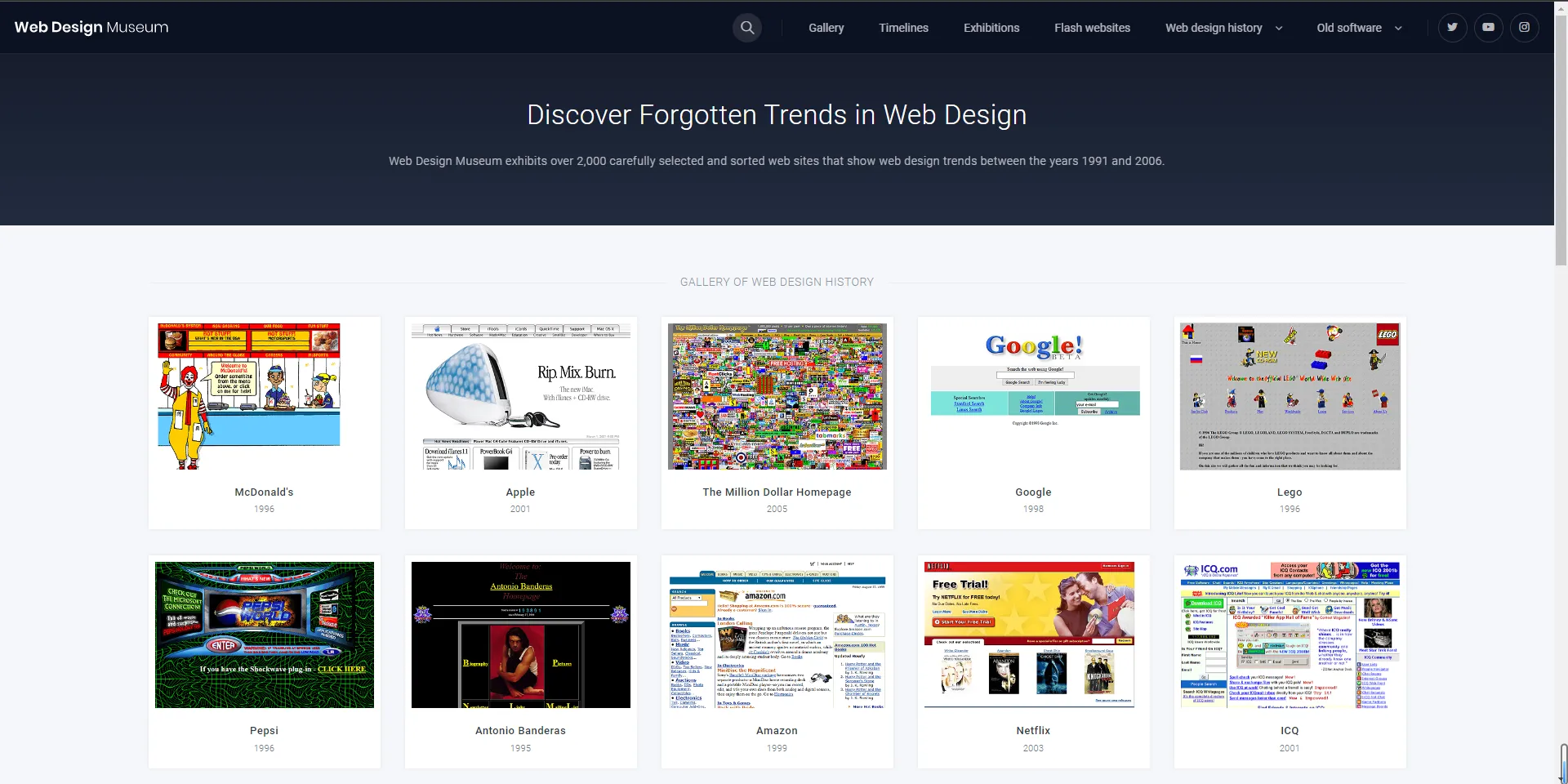
The Web Design Museum presents past trends of web design that dominated the internet from 1991 to 2006.

A webpage by DJI that lets you simulate drone operation online. DJI is an advanced Chinese company, especially in the drone field. After I make money from work, I plan to buy a drone to play with.

When the git commit command commits code from the staging area to the local repository, the -m parameter is used to add commit messages. This website can help standardize your commit messages. The About page has a bunch of related tools like VS Code plugins and command-line tools.
Note: AI tools that automatically write commit messages for you have recently appeared—search GitHub for details (AI writes corresponding commit messages based on git repository changes). It's not hard to see that in the near future, ChatGPT+ will integrate with various industries to benefit humanity!
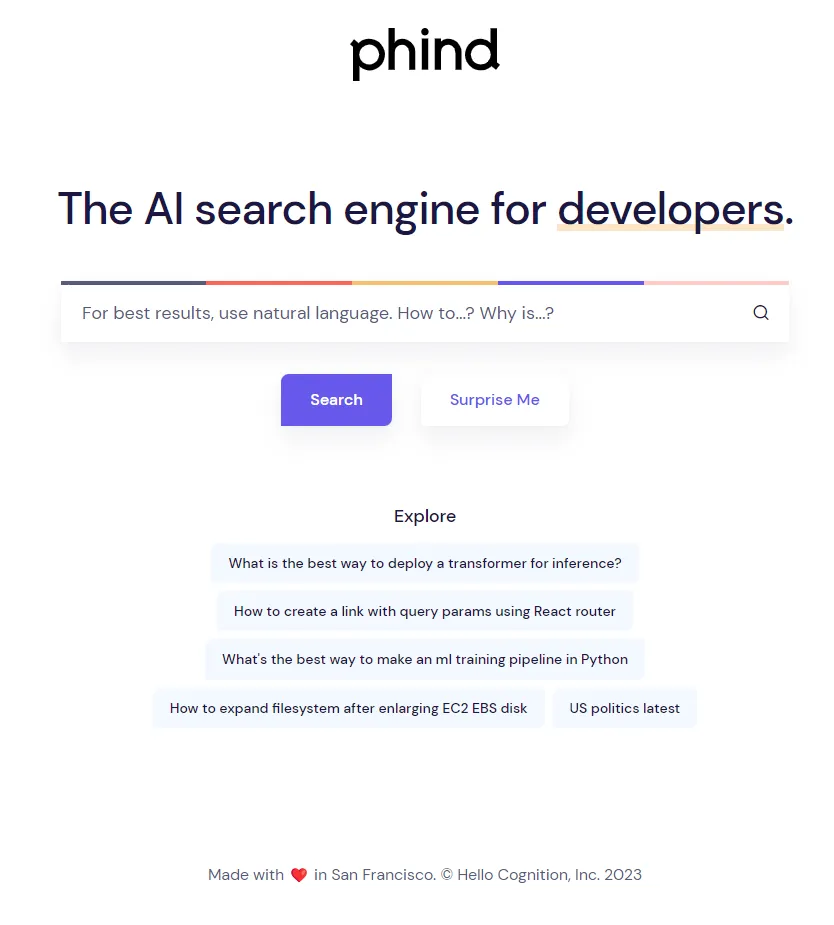
An AI search engine designed for developers.

This website is a tool that uses advanced AI and machine learning to analyze a website's content and provide a summary of key points. It simplifies the language used on landing pages and removes corporate jargon to help visitors better understand website content.
I've only used this tool once—when New Bing's quota was used up, since New Bing allows only 60 conversations per day. For me, New Bing is essentially a summarization tool. On my sticky notes, I keep two prompts ready. When I encounter a long article or a website with unclear functionality, I send the link to New Bing followed by "What does this article say?" (for article links) or "What is this website for?" (for website links), letting New Bing summarize for me.

Recently, I've seen developers create browser plugins for Bilibili video summarization, and last year I saw foreign developers make a YouTube video summarization plugin. Both require OpenAI's API. Both video summaries use ChatGPT + automatically generated video subtitles, letting ChatGPT summarize for you.
I haven't incorporated them into my workflow because I prefer watching videos I'm interested in directly, and I'm also afraid of missing exciting moments in videos.
Quotes
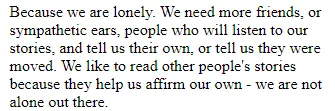
- Why would anyone care about my life/hobbies/stories?
Because we're lonely, we need more friends or sympathetic audiences—those who will listen to our stories and share their own or tell us: they were moved by our stories. We like reading others' stories because they help us affirm our own stories—we're not alone.
-- why the web?
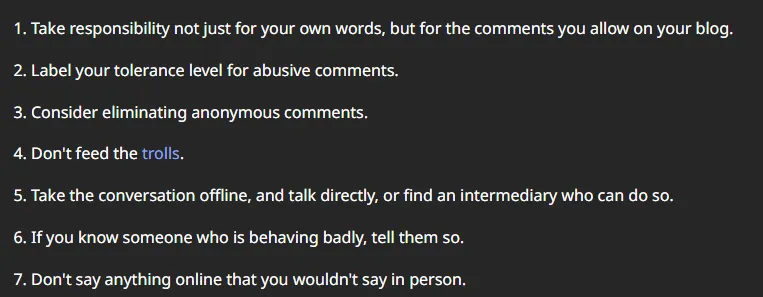
- Blogger's Code of Conduct
-
Take responsibility not only for your own words but also for comments on your blog.
-
State your tolerance level for abusive comments.
-
Consider eliminating anonymous comments.
-
Don't feed the trolls via RSS.
-
Talk offline, speak directly, or find an intermediary who can do so.
-
If you know someone who is behaving badly, tell them how they can improve.
-
Don't say anything online that you wouldn't say in person.
- Businesses vote with their feet (on the domain issue)—they want international or at least nationally neutral domain names. The same freedom should apply to individuals; all individuals should own their own domain names.
-- Paul Mockapetris, creator of DNS

- Personal attacks don't elevate yourself or lower others.
-- Bilibili user
- 99.5% of actors in China are like me—99.5% of actors are exactly the same as me. At most, only 0.5% of actors are comfortable.
-- Actor Zhang Songwen
After listening to interviews with Zhang Songwen, who plays Gao Qiqiang in "The Wild Bunch," I felt deeply moved. Jackson Yee, who's my age, is already worth hundreds of millions, but his acting skills are limited; while truly talented actors are being squeezed dry.
Opportunity is important. If Zhang Songwen hadn't been discovered by director Xu Jizhou to play Gao Qiqiang, he would still be one of countless anonymous actors. But at the same time, it reveals the distorted state of the film industry. To attract more audiences, directors hire traffic celebrities to make their fans pay for tickets. Is this really beneficial for Chinese cinema? If the hired traffic celebrities have acting skills, definitely yes; but if their acting is subpar, definitely not. What Chinese cinema needs is good works and talented actors.
It's time to clean up the film industry—don't let it be captured too deeply by capital!
Documentary

A documentary released by Justin Hall, called "the founding father of personal blogging" by The New York Times in 2004. This documentary shows the impact of his internet sharing on him. Quote one in this newsletter is from an article on his website—links.net.